Home > Free Resources > Study Resources Library > 48 "Leave" Synonyms (Y6 & Y7)
48 Ways to Say "Leave" - Free Printable Words & Phrases PDF for Years 6 and 7
- RRP:
- FREE
- Format:
- Printable PDF
- Pages:
- 4
- UK English
No email required.
Overview
Help your child's story characters do more than just 'leave' the room; help make their characters 'abscond', 'skedaddle' or even 'vamoose' by replacing 'leave' with more engaging synonyms.
ABOUT THIS FREE RESOURCE
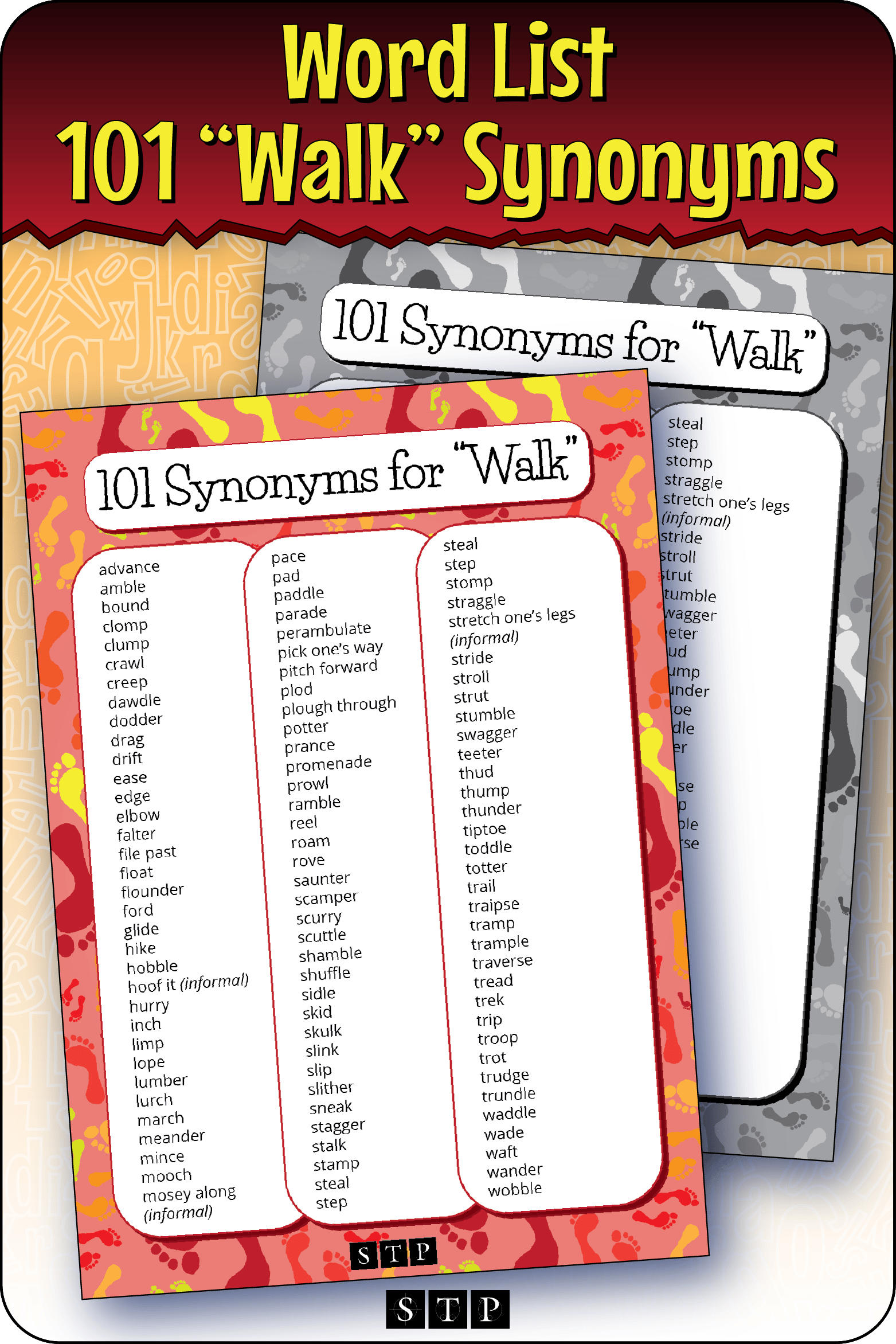
Designed to be used as a digital resource or as printed word mat or poster, this free vocabulary PDF provides 48 dynamic alternatives to the verb 'to leave', ranging from the stealthy (slink, sneak off) to the urgent (evacuate, flee) and the colloquial (skedaddle, bunk off).
CONTENTS AT A GLANCE
- 48 unique words and phrases to use instead of 'leave'
- Alphabetically ordered words and phrases for easy reference
- Informal words and phrases clearly marked to help students make accurate selections
SUITABLE FOR
- Vocabulary expansion and developing creative writing skills
- Use in the classroom or at home
- Parents and teachers who want concise, self-contained 'at-a-glance' learning tools
SUGGESTED AGE GROUPS
- Ages: 10-11, 11-12
- Years: Year 6 and Year 7
- Key Stages: Upper KS2 & Early KS3
LEARN MORE
To learn more about this resource's learning objectives and outcomes, seasonality & age range, please see this resource's FAQs.
To learn more about the specific features of this resource and suggestions about how to use it, please see our handy 48 Ways to Say Leave - Usage FAQs.
48 WAYS TO SAY LEAVE - LEARNING OBJECTIVES, SEASONALITY, & AGE RANGE FAQs
WHAT ARE THE LEARNING OBJECTIVES & OUTCOMES OF THIS RESOURCE?
This list of words and phrases is intended to help students transition from basic vocabulary to more sophisticated, detail-rich means of expression. Compare each of the following pairs:
PAIR A
- The criminal left the scene
- The criminal fled the scene
PAIR B
- The thief left with the money
- The thief absconded with the money
Similarly, the inclusion of informal words and phrases is intended to make students more conscious of (a) the different contexts in which synonyms can be used, and (b) the impact different contexts have on the choice of synonyms. Compare each of the following pairs:
PAIR C
- "It's time we left," she told her friends
- "It's time we made tracks," she told her friends (informal synonym for informal context)
PAIR D
- "It's time we left," she told the general
- "It's time we departed," she told the general (formal synonym for formal context)
By focusing on synonyms that are more descriptive and which are to be used across a range of formal and informal contexts, students will make better word choices which will, in turn, impact positively on their writing and how they express themselves.
IS THIS AN EVERGREEN OR SEASONAL RESOURCE?
You can use this resource at any point during the year. It may be particularly useful to children and students when they are working on creative writing projects or producing non-fictional texts such as a biographical account of famous person.
CAN YOU PROVIDE FURTHER GUIDANCE REGARDING AGE RANGE & SUITABILITY?
Kindly note that the years and ages listed above are intended as recommendations only. Feel free to use this resource in any educational context that is appropriate to your needs.
48 WAYS TO SAY LEAVE - USING THIS RESOURCE FAQs
WHY ARE SOME WORDS & PHRASES MARKED AS INFORMAL? AND WHY SHOULD MY CHILD KNOW THEM?
As noted above, the context in which words and phrases are used is important. Informal verbs like 'skedaddle' or 'scram' are perfect for writing dialogue between friends in a story, but they shouldn't be used in a formal letter or a factual report. By including a mixture of formal and informal words and phrases, this list helps students develop their knowledge of these distinctions.
HOW DO I USE THIS RESOURCE AS A PRINTED RESOURCE?
Once printed, you could use this resource as a word mat that you keep visible during your child's or student's creative writing sessions. If they become stuck, or if they arrive at point when they want to indicate that a person or character has left, encourage them to choose a word or phrase from the list that conveys how the person or character will leave.
You may also wish to add this sheet to a ring binder or folder of word mats (if you already have one).
Alternatively, you might want to hang it on the wall as part of a word wall or learning wall display in your classroom or at home.
HOW DO I USE THIS RESOURCE AS A DIGITAL LEARNING AID?
There are several ways to use this PDF on a screen.
If your child or student types their stories on a computer, laptop, or tablet, they can keep the PDF open on one half of the screen as a permanent, digital word bank that they can glance at when they need inspiration.
Save the PDF to a tablet or an iPad. Using any basic PDF reader, your child or student can highlight words they want to include in their work or cross off words as they use them.
If you are a teacher and want to use this resource in your classroom, consider projecting this PDF onto an interactive whiteboard during a creative writing lesson to use for whole-class brainstorming or group work.
Note: Given the vibrant nature of the full colour version of this resource, it works particularly well in its digital format.
ARE THESE WORDS SUITABLE FOR 11+ PREPARATION?
Yes. The 11+ Verbal Reasoning and English papers regularly test candidates' knowledge of synonyms. Words like evacuate, abscond, and migrate are typical of the types of words that students encounter in these Reasoning tests. Similarly, knowledge of the more informal words, phrases and idioms like 'scarper', 'up sticks' and 'make a break for' are helpful for both comprehension and composition tasks in the English papers.